Climbing the Roof of Africa
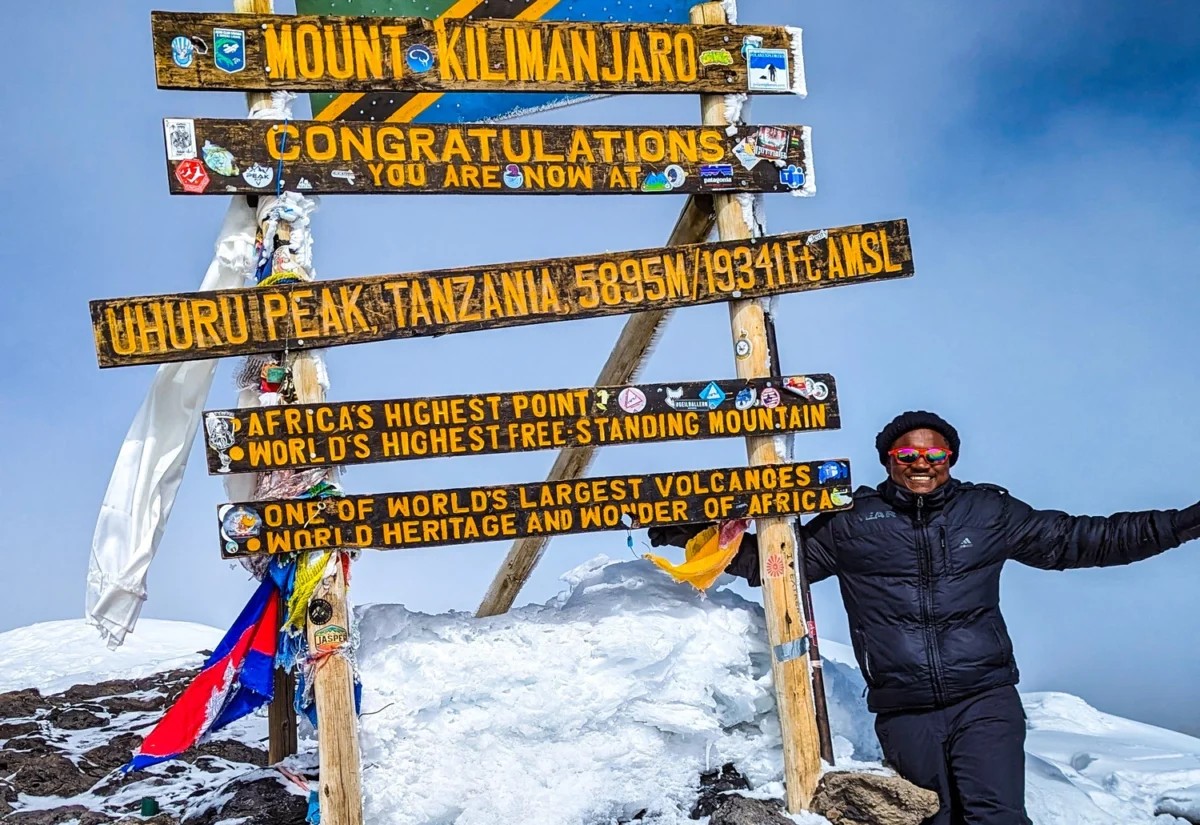
Climbing Kilimanjaro is a high-altitude trek to the summit of Africa’s highest mountain, which rises to 5,895 m (19,341 ft) above sea level. Often called the “Roof of Africa,” it is the tallest free-standing mountain in the world.
Unlike many famous peaks, reaching the summit does not require technical mountaineering skills. With proper acclimatization and preparation, most travelers with good general fitness can successfully complete the climb.
5,895m
Elevation98%
Success Rate5
Climate Zones7-8
Avg. DaysWhy Climb With Us?
- Expert WFR certified guides
- Unlimited bottled oxygen
- High-quality mountain gear
- Delicious & nutritious meals
- Safety-first approach
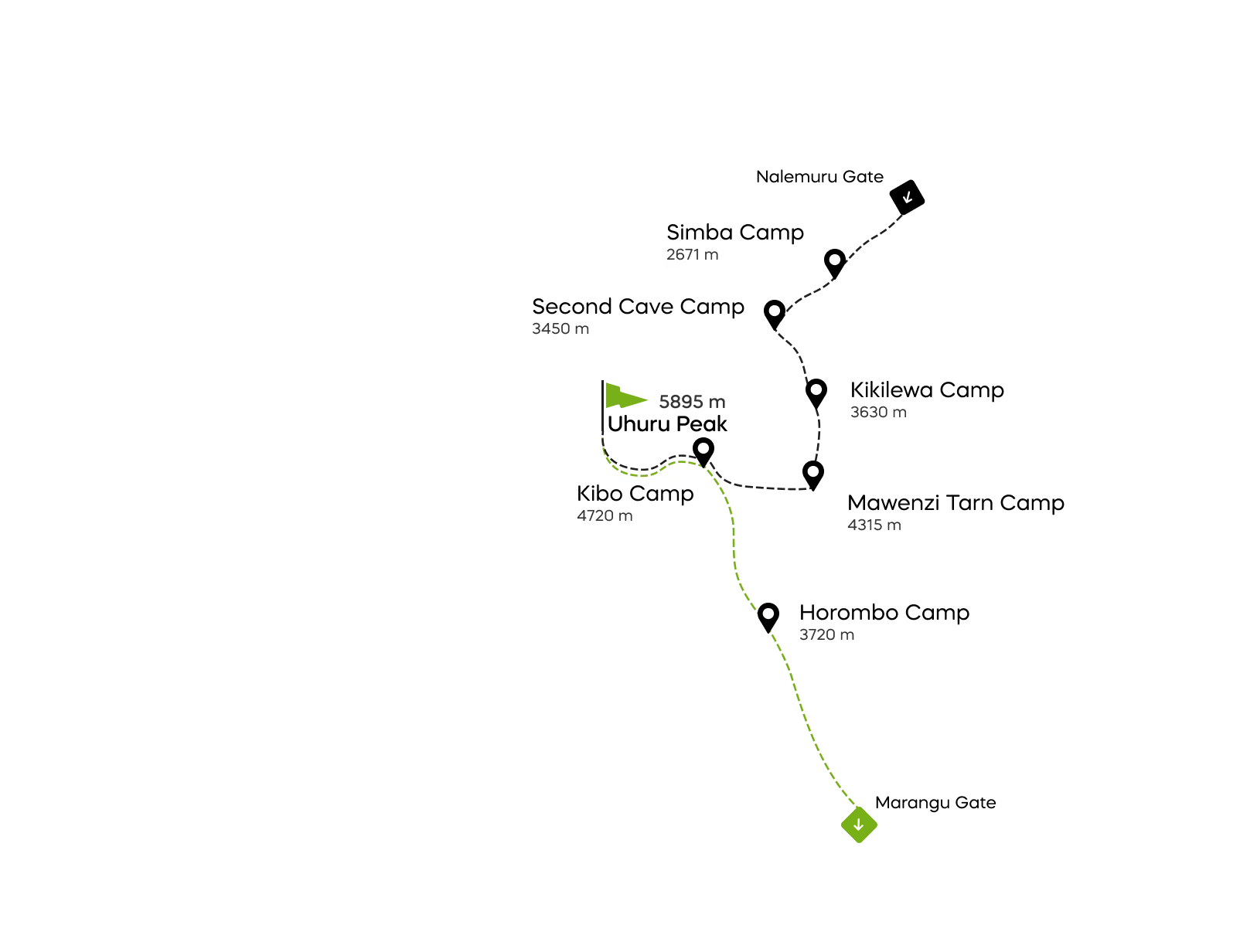
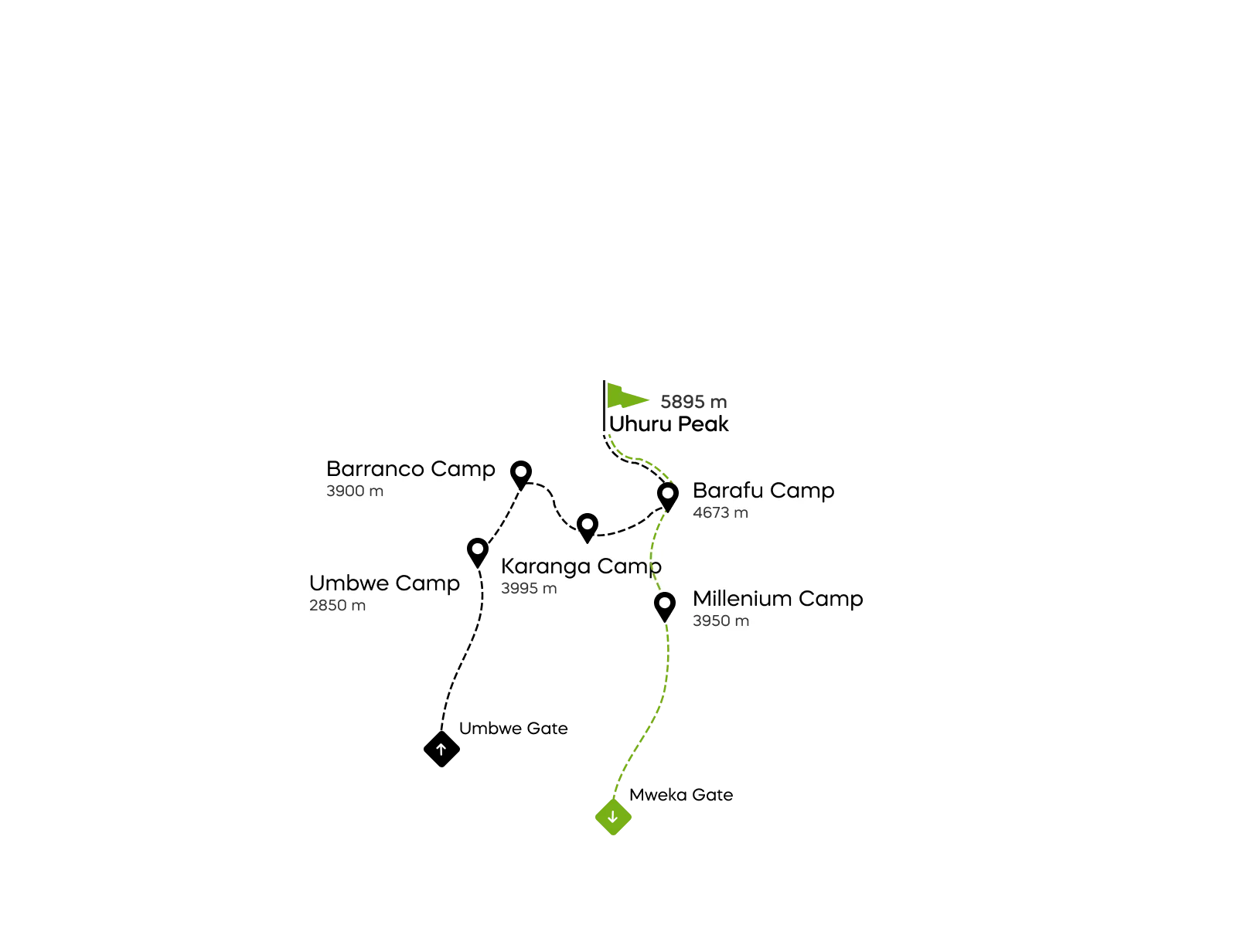
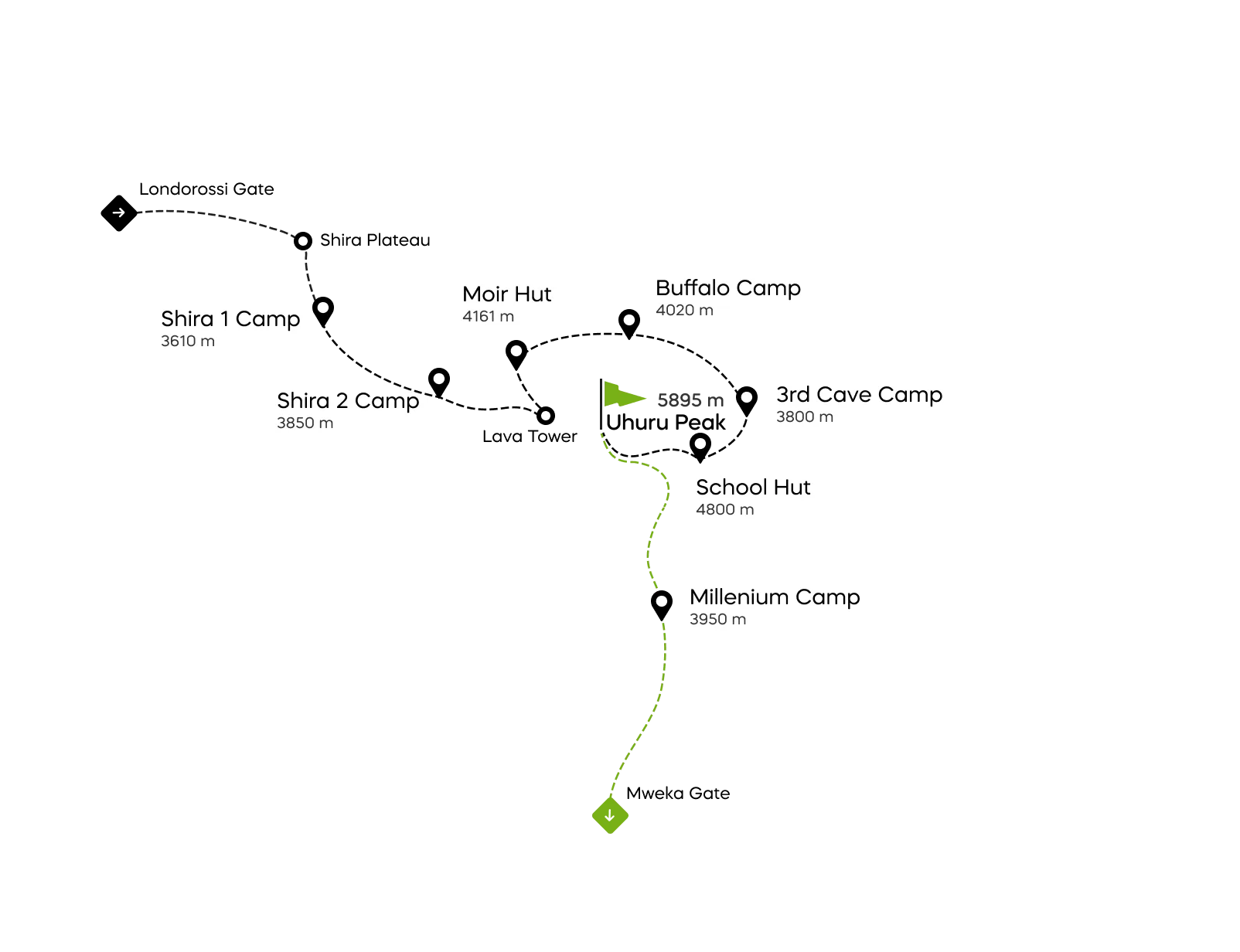
Kilimanjaro Routes
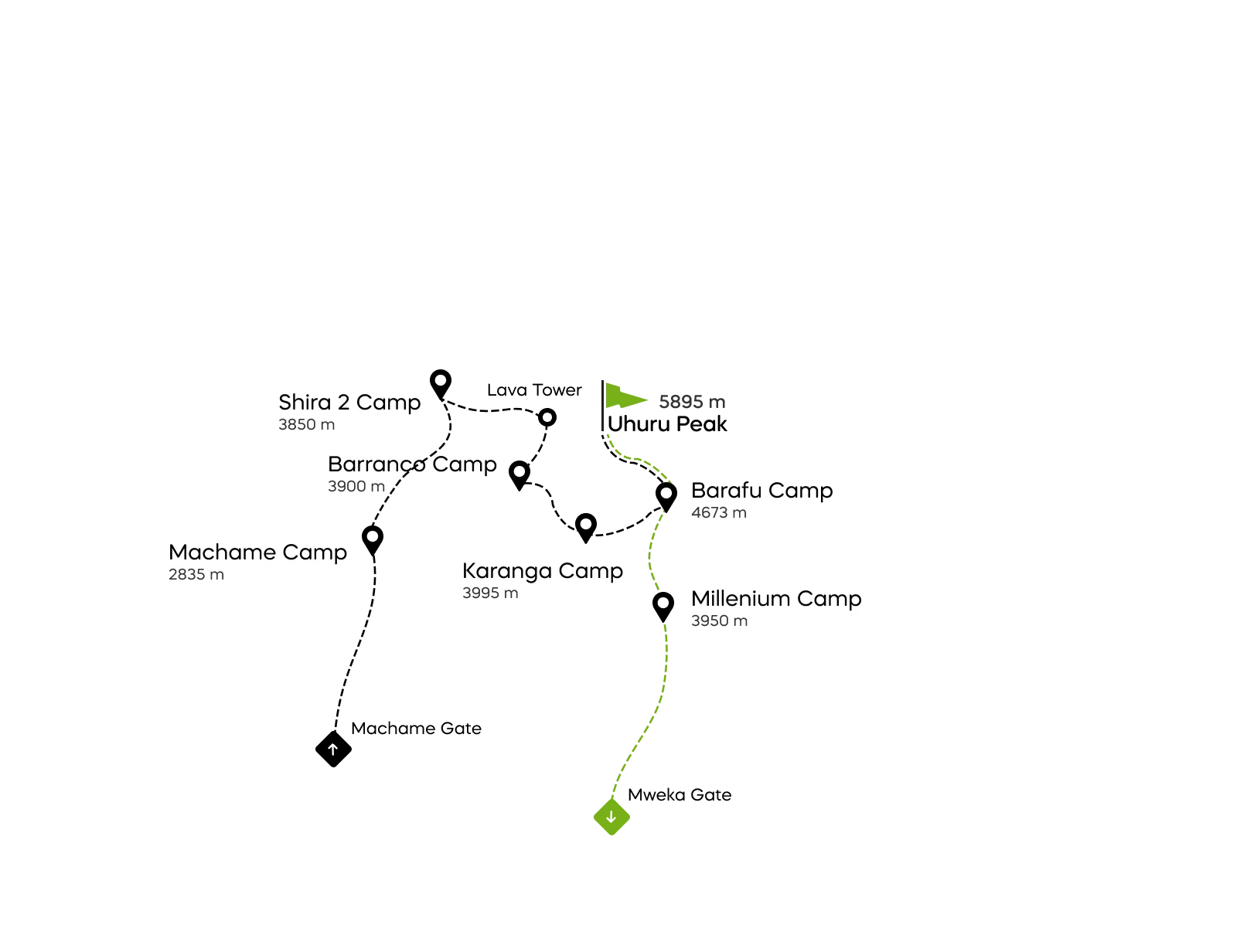
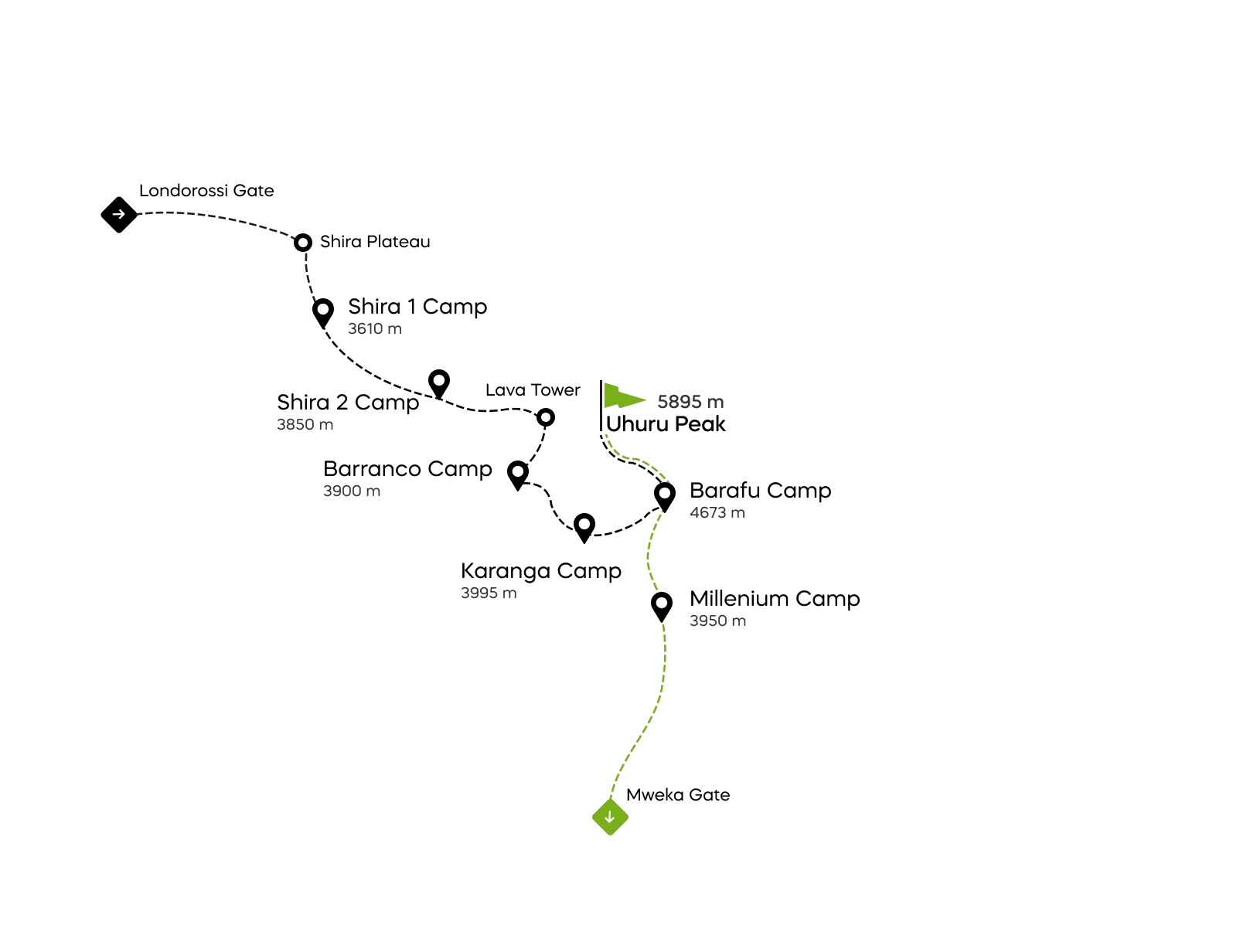
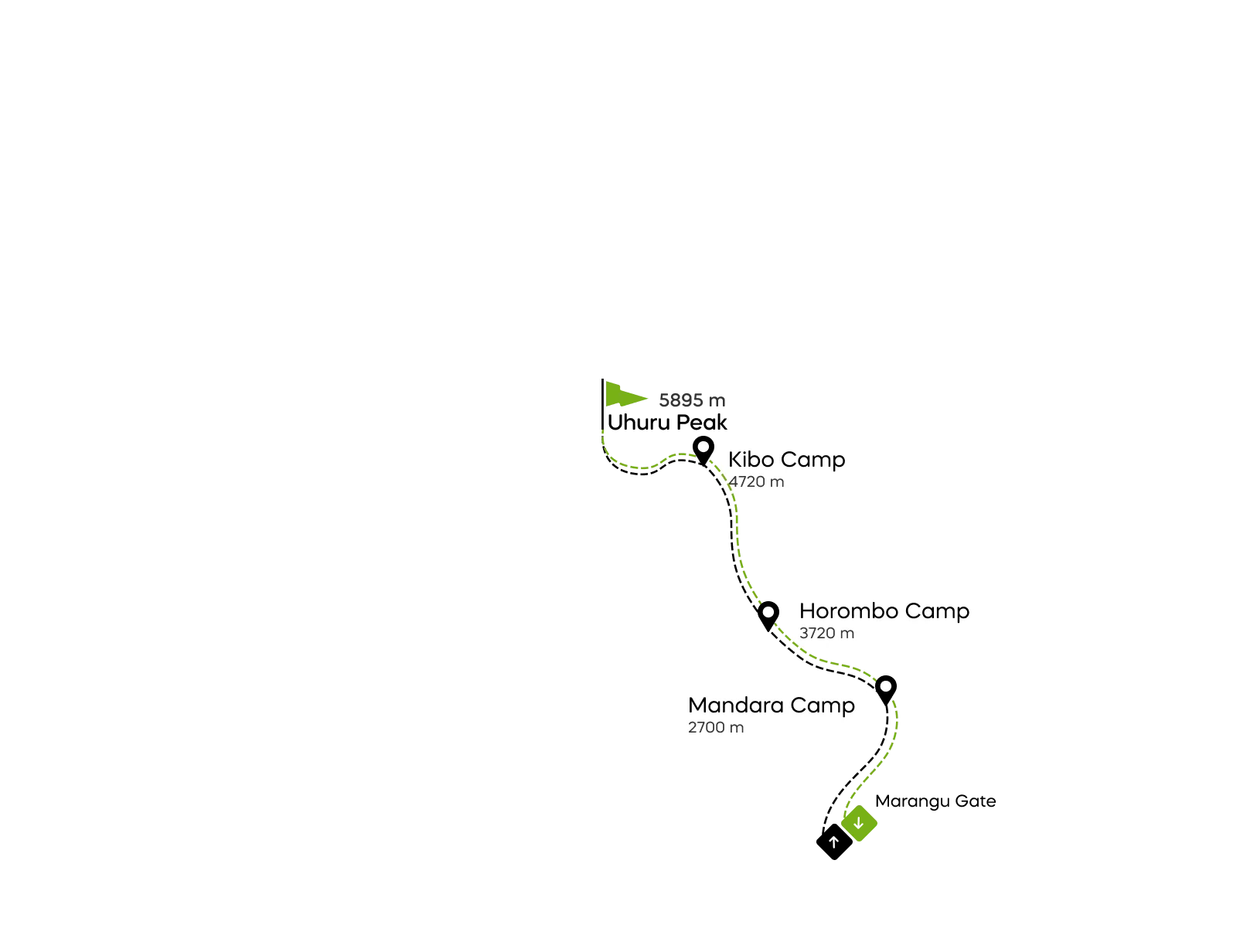
Our Expedition Packages
Success Rates & Planning
Routes like Lemosho, Machame, Rongai, and the Northern Circuit have the highest summit success rates on Kilimanjaro with itineraries of 7 days or longer. We recommend choosing a 7–8 day climb as the optimal length to give your body enough time to acclimatize and to greatly reduce the risk of Acute Mountain Sickness (AMS).
Best Time to Climb
Late December to early March and mid-June to late October are the best times for a Kilimanjaro climb. This is when the Kilimanjaro weather is nearly ideal. Although other months have rain, it doesn't mean there are constant heavy showers.
Training & Preparation
A moderate fitness level is key. You should be able to run 5 km (3 mi) without difficulty and hike 10 km (6+ mi) in a day. Best training includes swimming, cycling, running, and hiking.