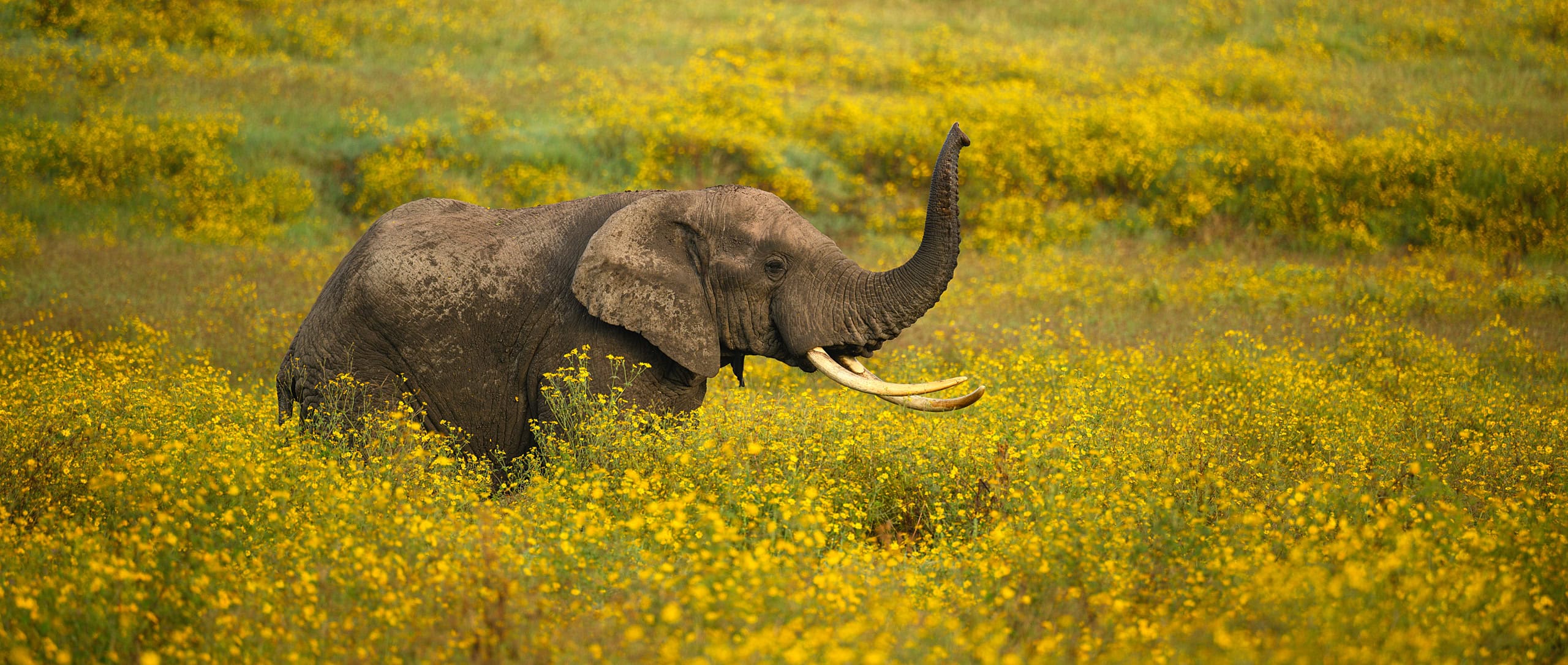
Thinking about a trip to Tanzania? You should definitely put Tarangire National Park on your list. It's a really special place, known for its massive elephant herds and those iconic, giant baobab trees. It’s not as crowded as some of the other parks, making it a bit more peaceful, especially if you visit during the dry season. You'll find the Tarangire River is the main water source, drawing in tons of wildlife when things get dry.
Key Takeaways
- Tarangire National Park is famous for having more elephants than anywhere else in Tanzania.
- You'll see huge, old baobab trees scattered across the landscape.
- The dry season, from June to October, is the best time to see large animal gatherings.
- The Tarangire River is the park's lifeline, especially during dry spells.
- It's a fantastic spot for birdwatching, with over 550 species recorded.
Tarangire National Park is a real gem in Tanzania's Northern Circuit, and honestly, it's a place that deserves a spot on your safari wish list. Tucked away not too far from Arusha, it's often a fantastic first or last stop for many travelers exploring this part of East Africa. The park gets its name from the Tarangire River, which is basically the lifeblood of the area, especially when things get dry.
What really sets Tarangire apart are its iconic baobab trees. These giants, often called the 'Tree of Life,' dot the landscape, giving it a unique, almost prehistoric feel. It’s a landscape that feels both wild and ancient. This park is famously known as the 'Elephant Capital of Tanzania', and for good reason. During the dry season, the Tarangire River and its surrounding swamps become a magnet for wildlife, drawing in huge herds of elephants, along with zebras, wildebeest, and buffalo, all seeking water.
Beyond the elephants, Tarangire is a birdwatcher's dream, boasting over 500 species. You might spot anything from colorful rollers to majestic raptors. The sheer concentration of wildlife, especially during the dry months, makes a tarangire national park safari an unforgettable experience. It’s a place where you can truly feel the pulse of the African wilderness, with vast open plains and the constant hum of life.
Tarangire National Park is a place that really sticks with you. It’s not just another stop on the safari circuit; it’s got a vibe all its own. If you’re wondering what makes it so special, let’s break it down.
First off, the animals. Tarangire is famously known as the "Elephant Capital of Africa," and for good reason. During the dry season, the Tarangire River becomes a lifeline, drawing in huge herds of elephants. We’re talking about seeing groups of hundreds of these gentle giants congregating to drink and socialize. It’s a truly awe-inspiring sight that you won’t easily forget. But it’s not just elephants; you’ll find massive herds of wildebeest, zebras, and various antelopes too, all drawn to the water. And where there are herbivores, the predators aren't far behind. Keep your eyes peeled for lions, leopards, and even the occasional wild dog.
Beyond the wildlife, the landscape itself is a star. Picture this: vast, open savannah dotted with the most incredible baobab trees. These ancient giants, with their thick, stubby trunks, look like something out of a storybook. They’re often called the "Tree of Life" because they store water in their trunks, providing a vital resource during the dry months. The park also features dramatic river valleys and swamps, like the Silale Swamp, which act as natural sponges, holding water and releasing it slowly. This mix of acacia woodlands, grasslands, and these iconic trees creates a dramatic, almost "Out of Africa" feel that’s distinct from other Tanzanian parks.
For the bird enthusiasts, Tarangire is an absolute dream. With over 500 different bird species recorded, it’s a significant spot for birdwatching. You can spot everything from large ostriches and kori bustards strutting on the plains to colorful rollers and bee-eaters flitting through the trees. The swampy areas are particularly good for spotting water birds and migrant species. It’s a place where you can easily spend hours just watching the avian life, discovering species that are unique to Tanzania. The sheer diversity of birdlife here is astounding.
Deciding on the best time to visit Tarangire really depends on what you're hoping to see and experience. This park has a way of showing off its best features during different times of the year, so there's no single "wrong" time to go, but there are definitely periods that stand out.
If you're dreaming of seeing massive herds and having clear game viewing opportunities, the dry season is your golden ticket. As the landscape dries out, animals start to gather around the permanent water sources, especially the Tarangire River. This is when you'll likely encounter those famous large elephant herds – sometimes hundreds strong! It's also a fantastic time for spotting other animals like wildebeest, zebras, and various antelopes, as they come to drink. The sparse vegetation means you can see them from a good distance, making for some incredible photo ops. The weather is generally pleasant, with warm days and cooler evenings, perfect for early morning game drives.
The dry season transforms Tarangire into a wildlife magnet. It's a time when the park's lifeline, the Tarangire River, becomes the center of action, drawing in creatures from all over.
Don't count out Tarangire during the wet season! While the landscape becomes lush and green, which is beautiful in its own right, game viewing can be a bit more challenging. The animals tend to disperse as water and food become plentiful throughout the park. However, this is a spectacular time for birdwatchers, as migratory birds arrive, and the resident birdlife is incredibly active. You might also catch the "short rains" in November and December, which are usually brief afternoon showers, or the "long rains" from March to May, which can bring more consistent rain but rarely last all day. The park is quieter during these months, offering a more intimate safari experience. Roads can get a bit muddy, so a sturdy 4x4 vehicle is a must.
So, when is the best time to visit Tarangire? For sheer volume of wildlife and ease of spotting, the dry season (June-October) is hard to beat. But if you're a keen birder or prefer a quieter, greener landscape, the wet season (November-May) has its own unique charms. Ultimately, Tarangire offers something special year-round, making it a fantastic destination no matter when you choose to go.
When you're planning your Tanzania wildlife safari to Tarangire, you'll find there are some fantastic ways to experience the park's magic. It's not just about sitting in a vehicle; Tarangire offers a more hands-on approach to exploring its unique landscapes and incredible wildlife.
Game drives are the classic way to see the park, and Tarangire doesn't disappoint. You can head out in the early morning when the air is cool and the animals are most active. Think lions on the prowl or herds of elephants starting their day. Afternoon drives offer a different light, perfect for capturing those iconic baobab tree photos with a backdrop of acacia woodlands. Many visitors opt for full-day drives, which really let you cover more ground and increase your chances of spotting a wider variety of animals. These drives are your best bet for seeing the famous elephants in Tarangire. Whether you choose a morning, afternoon, or all-day adventure, the game drives here are a core part of any Tanzania wildlife safaris experience.
For a truly immersive experience, a walking safari in Tarangire is something special. Imagine stepping out of your vehicle and exploring the wilderness on foot, guided by an experienced ranger. It’s a chance to connect with the environment on a different level. You'll learn about the smaller details – the tracks on the ground, the medicinal uses of plants, and the sounds of the bush. It’s a more intimate way to see things, and you might encounter wildlife like zebras, impalas, and even elephants up close, though always at a safe distance, of course. This is a fantastic way to experience Tarangire, especially if you're looking for something beyond the typical game drive and want to feel the pulse of the African savanna.
Walking safaris offer a unique perspective, allowing you to appreciate the subtle beauty of the landscape and the smaller creatures that often go unnoticed from a vehicle. It’s a chance to truly feel like you’re part of the wild.
These activities make Tarangire a standout among northern circuit Tanzania parks, offering a rich experience for anyone seeking authentic Tanzania wildlife safaris.
So, you're thinking about heading to Tarangire National Park? Awesome choice! It's a fantastic spot, especially if you're doing any of the popular northern circuit Tanzania tours. Getting there is pretty straightforward. Most folks fly into Kilimanjaro International Airport (KIA) near Arusha, which is like the gateway to this whole safari region. From Arusha, it's about a two to three-hour drive to the park entrance. Your tour operator will usually sort out this transport for you, which is super convenient.
When you're planning, think about what you want to see. Tarangire is famous for its massive elephant herds, especially during the dry season. It's also a birdwatcher's dream. The landscape itself is pretty unique, with those iconic baobab trees dotting the plains. It really gives you that classic "Africa" feel.
Here’s a quick rundown of what to consider:
Tarangire is a gem within the northern circuit, offering a slightly different vibe than its more famous neighbors like the Serengeti or Ngorongoro. It's a place where you can really connect with the wild.
Many travelers combine Tarangire with other safari destinations in Africa, making it a perfect stop on a longer itinerary. It’s easily accessible from places like Lake Manyara and the Ngorongoro Crater, so you can string together an amazing adventure. Just remember to pack layers – mornings and evenings can get a bit cool, even when the days are warm.
So, that's a little peek into Tarangire National Park. It really is a special place, especially if you're hoping to see elephants – they're everywhere! The big baobab trees give it such a unique look, almost like something from a storybook. If you're planning a trip to Tanzania, especially during the dry season when the animals gather around the river, Tarangire should definitely be on your list. It's a calm, friendly spot that leaves you with some pretty amazing memories.
Frequently Asked Questions
What makes Tarangire National Park so special?
Tarangire is famous for its huge herds of elephants, especially during the dry season when they gather around the Tarangire River. It's also known for its stunning landscape dotted with giant baobab trees, which look like they're upside down! It's a really peaceful place with amazing wildlife.
When is the best time to visit Tarangire?
The dry season, from June to October, is usually the best time to go. This is when the animals come to the river for water, making them easier to spot. The weather is also nice and clear during these months.
What kind of animals can I see in Tarangire?
You'll see tons of elephants – it's known as the 'Elephant Capital'! You can also spot lions, leopards, giraffes, zebras, wildebeests, buffaloes, and many other amazing animals. Bird lovers will be happy too, as there are over 500 different bird species.
Are there any unique trees in Tarangire?
Yes, absolutely! The park is famous for its massive baobab trees. These 'trees of life' are huge and store water in their trunks, helping them survive the dry season. They give the park a really unique and wild look.
What activities can I do in Tarangire?
The most popular activity is going on game drives, where you drive through the park in a safari vehicle to see the animals. You can also go on walking safaris, which let you explore the bush on foot and get a closer feel for the wilderness.
How do I get to Tarangire National Park?
It's pretty easy to get there! Tarangire is located in northern Tanzania, not too far from Arusha. You can usually reach it by a paved road, making it a convenient stop on a safari trip.
Is Tarangire good for birdwatching?
Oh yes, Tarangire is a birdwatcher's dream! With over 550 species recorded, you'll find everything from colorful starlings and bee-eaters to impressive eagles and ostriches. It's a fantastic place to see a wide variety of birds.
What should I pack for a trip to Tarangire?
You'll want comfortable, light clothing for the day, but it can get cool in the mornings and evenings, especially during the dry season. So, bring a warm jacket or sweater. Also, don't forget your camera, sunscreen, and insect repellent!
Get a better view of the location and surroundings