NGORONGORO NATIONAL PARK
Thinking about a trip to Tanzania? You've probably heard about the Ngorongoro Conservation Area, and for good reason. It's this incredible place that's a huge deal for both wildlife and human history. Imagine a giant volcanic crater, teeming with animals, and a place that's been home to people for ages. It's more than just a park; it's a whole ecosystem and a cultural landscape rolled into one. Let's take a look at what makes Ngorongoro so special.
Key Takeaways
- The Ngorongoro Conservation Area is a protected zone in Tanzania, famous for its massive volcanic crater.
- It's a UNESCO World Heritage Site, recognized for both its stunning natural beauty and its deep human history.
- The Ngorongoro Crater itself is a huge, intact caldera that holds an amazing amount of wildlife.
- This area is home to the Maasai people, who have lived there for a long time, practicing traditional ways of life.
- Visiting Ngorongoro offers a chance to see the 'Big Five' animals and experience a unique blend of nature and culture.
What is the Ngorongoro Conservation Area?
Imagine a place in Tanzania, not too far from Arusha, where the land itself tells stories of ancient times and incredible wildlife. That's the Ngorongoro Conservation Area for you. It's a huge protected zone, covering over 8,000 square kilometers, and it's a UNESCO World Heritage Site for good reason. Think rolling highlands, woodlands, and vast plains that stretch all the way to the Serengeti.
Location and Geography
So, where is Ngorongoro Crater located? It's nestled in the Crater Highlands of northeastern Tanzania, about 180 kilometers west of Arusha city. This area is part of the larger Ngorongoro District. The landscape here is pretty dramatic, shaped by volcanic activity over millions of years. You've got the famous Ngorongoro Crater, of course, but also other geological wonders that make the whole region so unique. It's a place where nature really shows off its power and beauty.
The Ngorongoro Crater: A Natural Wonder
When people talk about Ngorongoro, they're often thinking about the crater itself. It's not just any crater; it's the world's largest intact volcanic caldera. Picture this: a massive, bowl-shaped depression formed by a collapsed volcano, now teeming with life. It's like a natural amphitheater for wildlife, and the density of animals you can find here is just astounding. It's a truly breathtaking sight, a place that feels both wild and incredibly serene.
Wildlife of Ngorongoro
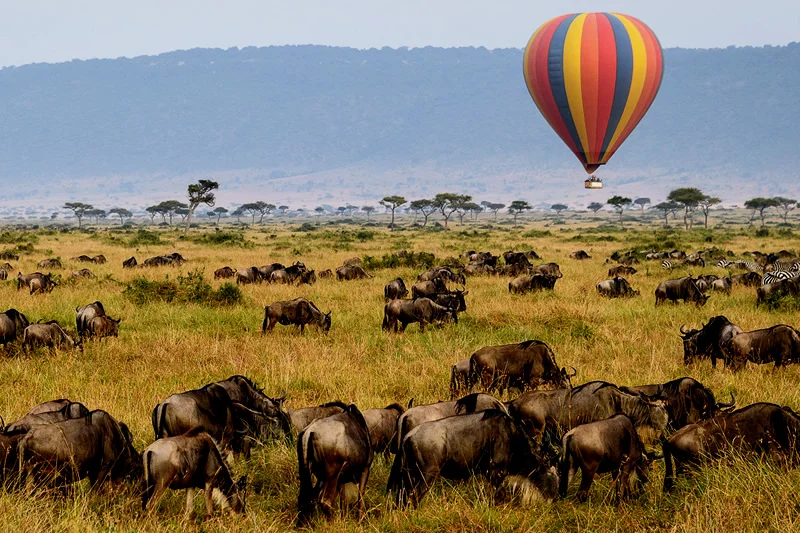
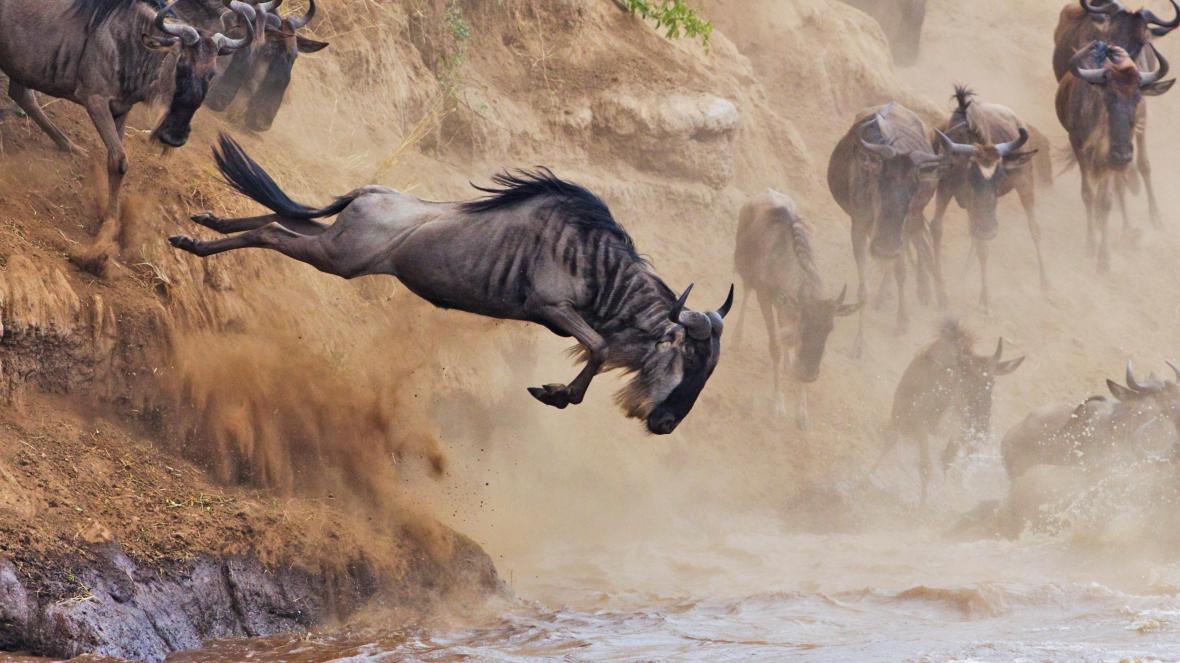
When you think about a Tanzania wildlife safari, the Ngorongoro Crater often comes to mind, and for good reason. It's like a natural amphitheater packed with an incredible variety of animals. This African crater wildlife spectacle is truly something else. You've got the "Big Five" – lions, leopards, elephants, rhinos, and buffalo – all living together in this amazing ecosystem. It’s not just about the big guys, though. Keep your eyes peeled for cheetahs streaking across the plains, graceful giraffes munching on acacia leaves, and herds of zebras and wildebeest moving together. The sheer density of animals here is astounding, especially within the Ngorongoro Crater Tanzania itself.
The Big Five and Beyond
It’s pretty special to see the "Big Five" in one place, and Ngorongoro delivers. You might spot a pride of lions lounging in the shade, or perhaps a leopard draped over a tree branch. Elephants are a common sight, often seen near water sources. The endangered black rhino is also a resident, though spotting one can be a bit trickier. Buffalo herds are usually easy to find, often gathered near the swamps. But the Ngorongoro Conservation Area is home to so much more than just these iconic animals. You'll see hippos wallowing in the pools, hyenas on the hunt, and jackals scavenging. The plains are often dotted with hartebeest and gazelles, making for a constant buzz of activity.
Birdlife in the Crater
Don't forget to look up! The birdlife in the Ngorongoro Crater is just as impressive as the mammals. You'll see flamingos painting the soda lakes pink, ostriches strutting across the grasslands, and a variety of eagles soaring overhead. Keep an eye out for the colorful turacos and the striking secretary birds. It’s a paradise for birdwatchers, with hundreds of species calling this unique landscape home. The variety of habitats within the crater, from open grasslands to marshy areas, supports this rich avian diversity.
The Ngorongoro Conservation Area is a place where wildlife thrives, and the landscape itself tells a story of millions of years of evolution. It's a testament to the power of nature and a reminder of the importance of conservation efforts for future generations.
Archaeological Significance
Beyond the wildlife, the Ngorongoro Conservation Area holds immense historical importance. Just a stone's throw from the crater lies Olduvai Gorge, a site that has revealed so much about early human history. Olduvai Gorge archaeology has provided crucial evidence of human evolution. It's often called the "Cradle of Mankind" because of the ancient hominin fossils and tools discovered here. Walking through Olduvai Gorge history feels like stepping back in time, offering a glimpse into our distant ancestors' lives. This area is a treasure trove for anyone interested in paleoanthropology and the story of human development.
Human History and Culture

The Maasai People
Long before the wildlife became the main draw, this land was home to the Maasai people. They've been pastoralists here for centuries, their lives deeply intertwined with the rhythms of the plains and the needs of their cattle. You can still see their traditional way of life today, with many Maasai communities living within the conservation area. They are known for their vibrant culture, distinctive red clothing, and their deep knowledge of the land. It's a fascinating glimpse into a way of life that has sustained itself alongside the wild animals for generations.
Archaeological Significance
But the human story here goes back much, much further. Ngorongoro isn't just a haven for animals; it's a cradle of humankind. Olduvai Gorge, a deep ravine slicing through the plains, is often called the 'Cradle of Mankind'. It's here that some of the earliest evidence of human evolution has been found, including fossils of ancient hominins like Homo habilis. Imagine, millions of years ago, our very early ancestors walked these same lands!
- Olduvai Gorge: Famous for fossil finds that trace human evolution over millions of years.
- Laetoli Footprints: Preserved fossilized footprints, showing early human bipedalism dating back nearly 4 million years.
- Maasai Culture: A living heritage of pastoralism and traditional practices.
The layers of sediment in places like Olduvai Gorge are like pages in a history book, revealing the incredible journey of human development and our relationship with this dynamic landscape over vast stretches of time.
It's pretty mind-blowing to think about the sheer depth of history present here. From the earliest hominids to the Maasai herders of today, this area has been a stage for human existence for an astonishingly long time.
Visiting the Ngorongoro Conservation Area

Planning a trip to Ngorongoro is exciting, and knowing a bit about when to go and what to do can make it even better. It’s a place that really sticks with you, a true gem among Tanzania conservation areas.
Best Time to Visit
Honestly, Ngorongoro is pretty amazing year-round. But if you're looking for specific experiences, think about the seasons. The dry season, generally from June to October, is fantastic for wildlife viewing. The grass is shorter, and animals tend to gather around water sources, making them easier to spot. It’s also a great time if you’re considering it as a Serengeti National Park alternative, offering incredible game viewing without the same crowds.
If you don't mind a bit of rain and want to see the landscape in its most vibrant green, the wet season (November to May) can be beautiful. It’s also a prime time for birdwatchers, as migratory birds arrive. Just be prepared for some muddy roads.
Activities and Safaris
When you visit Ngorongoro, you're in for a treat. The main draw, of course, is the crater itself, offering unparalleled African crater wildlife viewing. Imagine descending into this natural amphitheater, surrounded by an incredible density of animals. It feels like stepping into another world.
- Game Drives: This is the classic Ngorongoro experience. You'll spend your days in a safari vehicle, exploring the crater floor and the wider conservation area. Keep your eyes peeled for the Big Five – lions, leopards, elephants, rhinos, and buffalo – often seen in a single day!
- Cultural Visits: Ngorongoro is also home to the Maasai people. Visiting a Maasai village offers a unique chance to learn about their traditional way of life, their customs, and their deep connection to this land. It’s a humbling experience.
- Olduvai Gorge: Don't miss a stop at the Olduvai Gorge Museum. This is one of the most significant paleoanthropological sites globally, where early human fossils have been discovered. It’s a journey back in time, offering a glimpse into our ancient past.
While the crater is the star, remember the Ngorongoro Conservation Area is vast. Exploring beyond the crater rim can reveal different landscapes and wildlife, making your trip even richer. It’s a place that truly showcases the diversity of Tanzania.
Many visitors combine a trip to Ngorongoro with other nearby attractions. A Tarangire Safari is a popular addition, known for its large elephant herds and baobab trees. It’s all part of experiencing the incredible Tanzania conservation areas.
Here’s a quick look at what makes Ngorongoro so special:
- UNESCO World Heritage Site: Recognized for its outstanding natural and cultural significance.
- Incredible Wildlife Density: Home to over 30,000 large animals.
- Unique Ecosystem: The crater floor provides a self-contained environment for wildlife.
- Archaeological Importance: Including the famous Olduvai Gorge.
Ngorongoro is more than just a safari destination; it's a place of profound natural beauty and deep historical importance, making it one of the most unforgettable Tanzania UNESCO World Heritage sites.
A Place Like No Other
Leaving Ngorongoro feels like waking from a vivid dream. The sheer scale of the crater, teeming with life, is something you just have to see to believe. It's a place where the earth itself seems to hold its breath, showcasing a wild beauty that's both humbling and awe-inspiring. And woven into this incredible landscape are the Maasai people, whose ancient traditions are as much a part of Ngorongoro as the wildlife. It’s a reminder that this special corner of Tanzania is more than just a park; it’s a living, breathing testament to nature’s power and the enduring human spirit.
Frequently Asked Questions
What exactly is the Ngorongoro Conservation Area?
Imagine a huge protected area in Tanzania, kind of like a giant nature park. It's famous for the incredible Ngorongoro Crater, which is like a natural bowl formed by an old volcano. This place is super important for saving animals and also has a long history for humans.
Why is the Ngorongoro Crater so special?
The crater is like a hidden paradise! It's the world's biggest intact volcanic caldera, meaning the volcano collapsed inward. Inside, you'll find a stunning mix of grasslands, lakes, and forests, all packed with an amazing number of animals. It's a truly breathtaking sight from the rim, and even more incredible when you're down on the floor.
What kind of animals can you see there?
Get ready for a wildlife wonderland! You have a great chance of spotting the famous 'Big Five' – lions, leopards, elephants, rhinos, and buffalo. But that's just the start! There are also zebras, wildebeest, hippos, flamingos, and so many other creatures. It's like a real-life nature documentary unfolding before your eyes.
Who are the Maasai people and what's their connection to the area?
The Maasai are a proud and traditional people who have lived in this region for a very long time. They are known for their vibrant culture and their way of life, which often involves herding cattle. They share this amazing land with the wildlife, and their presence adds a unique cultural layer to the Ngorongoro experience.
When is the best time to plan a visit?
You can visit almost any time of year, but different seasons offer different experiences. The dry season, usually from June to October, is fantastic for spotting animals because they gather around water sources. However, the green season can be beautiful with lush landscapes and fewer crowds, and it's often when baby animals are born!
What kind of activities can you do in Ngorongoro?
The main event is, of course, game drives! You can explore the crater floor and witness the incredible wildlife. You can also enjoy stunning views from the crater rim, learn about the area's ancient human history at places like Olduvai Gorge, and experience the unique culture of the Maasai people.
Weather & Climate
Frequently Asked Questions
Explore NGORONGORO NATIONAL PARK on Map
Get a better view of the location and surroundings