Table Of Contents
MOUNTAIN MERU
Thinking about an adventure in Tanzania? While Mount Kilimanjaro often steals the spotlight, its neighbor, Mountain Meru Tanzania, offers a fantastic experience that many overlook. It's a bit like Kilimanjaro's smaller, quieter sibling, perfect for those looking for a challenging climb with incredible scenery and wildlife, maybe as a warm-up for Kili or as a trip all on its own. This dormant volcano is packed with natural beauty and offers a unique trekking journey.
Key Takeaways
- Mountain Meru Tanzania stands at 4,566 meters (14,980 ft) and is located within Arusha National Park.
- It's often considered a great warm-up climb before attempting Mount Kilimanjaro due to its altitude and shorter duration.
- Treks typically take 3-4 days, offering a good challenge without the extensive time commitment of Kilimanjaro.
- The lower slopes are teeming with wildlife, including monkeys, giraffes, and buffalo, often requiring an armed ranger for safety.
- The summit provides stunning panoramic views, especially of Mount Kilimanjaro on clear days, making the effort truly rewarding.
What is Mountain Meru Tanzania?
Mount Meru is a seriously impressive volcano that stands tall in Tanzania, and it's often called the 'sister mountain' to the more famous Kilimanjaro. It's actually Tanzania's second highest peak, reaching a height of about 4,566 meters (that's nearly 15,000 feet!).
This mountain isn't just a big pile of rock; it's a dormant stratovolcano, meaning it's been quiet for a long time, with its last minor eruption way back in 1910. What makes Meru really stand out is its dramatic, horseshoe-shaped crater. This unique shape is the result of a massive eruption ages ago that blew off the original summit. So, when you're looking at Meru, you're seeing a mountain with a wild past.
For those looking for Tanzania safari and mountain treks, Meru offers a fantastic experience. It's located right in the heart of Arusha National Park, which means the lower slopes are teeming with wildlife. Think monkeys, leopards, and a huge variety of birds – nearly 400 species have been spotted here! It's a great spot for Tanzania hiking adventures, especially if you want a more intimate encounter with nature compared to its more crowded neighbor.
Mount Meru is a truly special place for adventurers. It provides a challenging yet rewarding climb, stunning scenery, and a chance to see wildlife up close, making it a top choice for many.
Climbing Meru is often seen as a great way to prepare for Kilimanjaro, helping you get used to the altitude and the physical demands of high-altitude trekking. Plus, the views from Meru itself are absolutely breathtaking.
Location and Geography of Mount Meru
Mount Meru sits pretty in northern Tanzania, not too far from the bustling town of Arusha. It's a real stunner, a dormant volcano that stands proudly as the second-highest peak in the country, just shy of its famous neighbor, Kilimanjaro. You can actually spot Kilimanjaro from Meru's slopes on a clear day, which is pretty neat.
Proximity to Kilimanjaro and Arusha National Park
Meru's location is quite special. It's about 70 kilometers (around 43 miles) west of Kilimanjaro, making it a fantastic option for those looking for a slightly less crowded but equally rewarding mountain experience. What's really cool is that Meru is the heart of Arusha National Park. This means as you start your trek, you're immediately immersed in a landscape teeming with life. Think grasslands giving way to lush forests, all part of this protected area. It’s not just a mountain; it’s a whole ecosystem.
Mount Meru is a stratovolcano, meaning it's built up from layers of lava and ash. Its dramatic horseshoe-shaped crater is a reminder of a massive eruption that happened thousands of years ago, which actually blew off its original summit. So, what you see today is a majestic, albeit slightly altered, volcanic cone.
This volcanic past has shaped a unique geography. The mountain's slopes are fertile, supporting a variety of vegetation zones as you climb higher. You'll move from savanna and acacia woodlands at the base, through dense montane forests, and eventually into alpine desert and rocky, icy terrain near the summit. It’s a journey through different worlds, all on one mountain. The park itself is a haven for wildlife, and Meru is its centerpiece, offering incredible views and a chance to see animals in their natural habitat right from the start of your climb.
Climbing Mount Meru: Routes and Difficulty
So, you're thinking about tackling Mount Meru? It's a fantastic choice, offering a challenging yet incredibly rewarding climb. Unlike some mountains where you have a maze of paths, Mount Meru keeps things pretty straightforward with its main Mount Meru hiking trails. Most folks opt for the Momella Route, which is the only officially recognized path up the mountain these days. It's a well-trodden trail, but don't let that fool you – it's a proper trek!
The Momella Route
The Momella Route is typically done over 3 or 4 days. While a 3-day trek is possible, most people find the 4-day option much more enjoyable. Why? Well, it gives you a bit more time to get used to the altitude and soak in the incredible scenery. The extra day really makes a difference in how you feel, especially on summit day. You'll be staying in basic but cozy mountain huts along the way, like Miriakamba Hut and Saddle Hut. These huts are a welcome sight after a long day on your feet.
Here's a general idea of how the 4-day Momella Route breaks down:
- Day 1: Momella Gate (1,500m) to Miriakamba Hut (2,514m). This is about a 4-6 hour hike through lush forests, where you might spot some amazing wildlife.
- Day 2: Miriakamba Hut (2,514m) to Saddle Hut (3,570m). This is a steeper climb, taking around 3-5 hours. Some people like to add a side trip to Little Meru for extra acclimatization.
- Day 3: Saddle Hut (3,570m) to Socialist Peak (4,565m) and back down to Miriakamba Hut (2,514m). This is your big summit day! You'll start in the early hours of the morning, aiming to reach the top for sunrise. It's a long and tough day, about 8-12 hours in total.
- Day 4: Miriakamba Hut (2,514m) down to Momella Gate (1,500m). A much easier descent, usually taking 2-4 hours, giving you time to reflect on your achievement.
The Saddle Route
While the Momella Route is the standard, there used to be another option called the Saddle Route. However, it's no longer permitted for climbers. So, when you're looking at Mount Meru climbing routes, the Momella Route is your go-to. It's a challenging trek, especially the final push to the summit, which involves some steep sections and scrambling over rocky ground. It's not technical mountaineering, but you'll definitely need a good level of fitness and a willingness to push yourself.
Mount Meru is often described as a tougher climb than Kilimanjaro, despite being shorter. This is mainly due to the steeper gradient and the rapid ascent, which can make altitude sickness a bigger concern if you don't pace yourself properly. The views from the top, however, are absolutely worth the effort!
Best Time to Climb Mount Meru

When you're planning a trip up Mount Meru, picking the right time to go really makes a difference. You'll want to aim for the dry seasons. These generally run from July through October, and then again from December to February. During these months, the skies tend to be clearer, which means better views and a more pleasant trekking experience. The paths are usually drier and less slippery, making the climb safer and more enjoyable.
Trying to climb during the rainy seasons, which typically fall between March and May, and then again in November, can be a bit of a gamble. You might run into heavy downpours, which can make the trails muddy and challenging. Visibility can also drop significantly, obscuring those amazing panoramas you're hoping to see. While it's possible to climb year-round, sticking to the dry spells is generally recommended for the best chance at a successful and comfortable ascent.
The dry seasons offer the most predictable and favorable conditions for reaching the summit.
Here's a quick look at what to expect:
- July - October: This is a prime window. Expect cooler temperatures and dry conditions. It's a popular time, so you might share the trails with other climbers.
- December - February: This period also offers dry weather, often with warmer temperatures than the July-October window. It's another excellent choice for a clear climb.
- March - May: This is the main rainy season. Trails can be wet and muddy, and cloud cover is more likely.
- November: This is a transitional month, often seeing some rain as the season shifts.
While the mountain is technically climbable year-round, choosing the dry seasons significantly increases your chances of good weather, clear views, and a safer trek. It's all about making the most of your adventure!
Wildlife and Scenery on Mount Meru
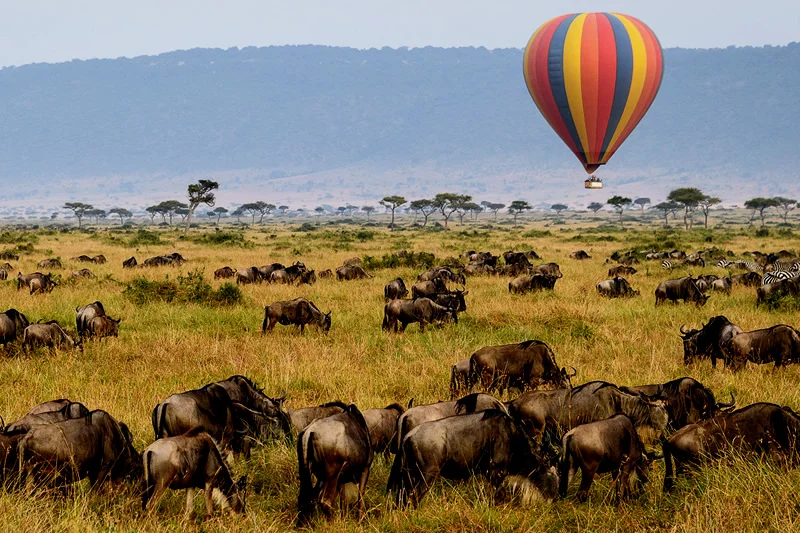
Mount Meru might not get as much attention as its famous neighbor, Kilimanjaro, but let me tell you, the views and the wildlife here are something else. As you start your trek on the Mount Meru trails, you're immediately immersed in Arusha National Park, a place absolutely buzzing with life. The lower slopes are a real treat for anyone who loves seeing animals in their natural habitat. Think herds of zebras grazing, graceful giraffes munching on acacia leaves, and the occasional buffalo lumbering through the bush. You might even spot some shy bushbucks or warthogs rooting around. It’s like a walking safari, and it’s pretty amazing.
Flora and Fauna Encounters
The Mount Meru National Park wildlife is incredibly diverse, thanks to the varied ecosystems you pass through. You start in lush grasslands and then move into dense montane forests, where the air is thick with the scent of damp earth and greenery. Keep an eye out for troops of colobus monkeys, with their striking black and white fur, leaping through the trees. Blue monkeys are also common. The park is a birdwatcher's paradise too, with over 400 species recorded. You might hear the calls of turacos or see colorful sunbirds flitting about. As you climb higher, the landscape changes again, moving into moorlands dotted with unique plants. The presence of armed rangers on the lower sections is a reminder that this is wild country, and it’s all part of the adventure.
Remember, while the lower slopes offer the most frequent wildlife sightings, the higher reaches still hold their own magic. The changing vegetation and the sheer scale of the mountain create a dramatic backdrop for your journey.
Panoramic Views from the Summit
Reaching the summit of Mount Meru is a serious accomplishment, and the views are your reward. On a clear day, the sight that greets you is truly unforgettable. The sunrise over Kilimanjaro, visible from Meru’s peak, is a spectacle that many describe as breathtaking. You're looking out over a sea of clouds, with the majestic silhouette of Africa's highest peak rising in the distance. It’s a moment that makes all the effort worthwhile. Even if you don't make it to the very top, the views from various points along the trekking routes are spectacular, offering sweeping vistas of the surrounding plains and the vast Tanzanian landscape.
Preparing for Your Mount Meru Expedition

Getting ready for Mount Meru is a bit like packing for a surprise party – you want to be sure you have everything you need, but also be ready for whatever the day might bring! Think about the weather; it can change pretty fast up there. You might start in sunshine and end up in fog or even a bit of rain. So, layers are your best friend. Bring clothes that you can easily add or remove.
Physically, you don't need to be a marathon runner, but being in decent shape helps a lot. Lots of walking, especially on hills if you can find them, will make a big difference. It’s also a good idea to practice some deep breathing exercises. It sounds simple, but it can really help your body adjust to the thinner air as you climb higher. Your guide is your most important resource on the mountain, so listen to them closely. They know the trails, the weather patterns, and how to keep you safe.
Here’s a quick rundown of what to consider:
- Physical Fitness: Focus on cardio and leg strength. Hiking is ideal.
- Gear: Pack layers for changing weather, good hiking boots, and rain protection.
- Acclimatization: Take it slow, drink plenty of water, and eat even if you don't feel like it.
- Mental Prep: Be ready for challenging moments, especially on summit day. Stay positive!
Don't forget to pack some of your favorite snacks. Sometimes, a little bit of chocolate or an energy bar can be a real lifesaver when you need a boost. It’s also wise to have a basic understanding of altitude sickness symptoms, just so you know what to look out for. Your guide will be watching, but being aware yourself is always a good idea. This climb is an adventure, and being well-prepared makes it all the more enjoyable.
Why Choose Mount Meru Over Kilimanjaro?
So, you're thinking about tackling a big Tanzanian peak, and Kilimanjaro is probably the first one that comes to mind. It's famous, right? But have you considered its neighbor, Mount Meru? Climbing Kilimanjaro's neighbor offers a different kind of adventure, one that's often a bit quieter and, for some, a perfect stepping stone.
Think of Meru as Kilimanjaro's slightly smaller, more laid-back sibling. It’s a fantastic option if you're short on time or maybe a little wary of the extreme altitude that Kili throws at you. Meru stands at about 4,565 meters (14,977 feet), which is still a serious climb, but it’s significantly less daunting than Kilimanjaro's 5,895 meters (19,341 feet). This makes it a great way to get a taste of high-altitude trekking without the same level of commitment or risk of altitude sickness.
One of the coolest things about Meru is that it’s located right inside Arusha National Park. This means you're practically guaranteed to see some amazing wildlife as you hike. We're talking about giraffes, zebras, antelopes, and even monkeys! You'll often have armed rangers with you on the lower slopes, which is a bit of a thrill and adds to the feeling of adventure. It’s a much more intimate wildlife experience than you'll typically get on Kilimanjaro, where the focus is almost entirely on the climb itself.
Meru offers a more rugged and wild experience, with fewer crowds and a real sense of exploration. It's a chance to connect with nature on a more personal level before (or instead of) taking on Africa's highest peak.
Plus, Meru is generally a shorter trek, often completed in 3 to 4 days. This makes it more accessible for people with busy schedules. It’s also usually a bit easier on the wallet compared to the multi-day expeditions on Kilimanjaro. So, if you're looking for an incredible mountain experience that's challenging, beautiful, and packed with wildlife, without the massive crowds and extreme altitude of Kilimanjaro, Mount Meru might just be the perfect choice for you. It’s a truly rewarding climb in its own right, and a smart way to prepare if Kilimanjaro is still on your radar.
So, Should You Climb Meru?
Mount Meru might not be as famous as its giant neighbor, Kilimanjaro, but it's got its own special charm. It's a fantastic option if you're looking for a climb that's a bit less crowded, offers incredible wildlife sightings right on the trails, and gives you those jaw-dropping views of Kilimanjaro, especially at sunrise. Whether you're using it to get your body ready for Kili or just want a solid adventure on its own, Meru really delivers. It’s a mountain that feels wild and rewarding, a true gem in Tanzania's Arusha National Park.
Frequently Asked Questions
What exactly is Mount Meru?
Mount Meru is a big, old volcano in Tanzania, standing at about 4,566 meters (nearly 15,000 feet) tall. It's often called Kilimanjaro's 'little sister' because it's not as high, but it's still a super impressive mountain. It's located right in Arusha National Park, which is known for its amazing wildlife.
Is Mount Meru difficult to climb?
Climbing Mount Meru is considered a challenging trek, even though it's shorter than Kilimanjaro. It involves steep sections, especially near the summit, and requires good physical shape. Many people find it a tough but rewarding climb, and it's a great way to get ready for climbing Kilimanjaro because it helps you get used to the altitude.
What kind of wildlife can I see on Mount Meru?
You can see a lot of cool animals on the lower parts of Mount Meru! Since it's in Arusha National Park, you might spot elephants, giraffes, zebras, various types of monkeys, and even antelopes. Sometimes, armed rangers go with climbers on the first day to make sure everyone stays safe around the wildlife.
When is the best time to climb Mount Meru?
The best times to climb Mount Meru are during the dry seasons. This means from around June to October, and then again from December to February. These periods offer clearer skies and better trekking conditions. It's best to avoid the rainy seasons when the trails can be muddy and slippery.
How long does it typically take to climb Mount Meru?
Most people take about 3 to 4 days to climb Mount Meru. A 3-day climb is quicker and more intense, while a 4-day climb allows for a bit more time to get used to the altitude and enjoy the scenery. Both routes get you to the summit, which offers incredible views.
Why would someone choose Mount Meru over Kilimanjaro?
People choose Mount Meru for a few reasons! It's less crowded than Kilimanjaro, making for a more peaceful experience. It's also a shorter climb, perfect for those with less time or who want a great warm-up before tackling Kilimanjaro. Plus, the wildlife encounters on Meru are fantastic, and the views, especially of Kilimanjaro itself, are stunning.
Weather & Climate
Frequently Asked Questions
Explore MOUNTAIN MERU on Map
Get a better view of the location and surroundings