MOUNTAIN KILIMANJARO
So, you're thinking about tackling Mt Kilimanjaro? Awesome! This giant volcano in Tanzania is basically the 'Roof of Africa,' and climbing it is a dream for tons of people. It's not like Everest or anything, but it's still a serious adventure. You get to walk through totally different climates, from lush forests to icy peaks, and the views are just unreal. It's a pretty achievable goal for most folks who are reasonably fit and ready for a challenge.
Key Takeaways
- Mt Kilimanjaro is Africa's highest mountain, standing at 5,895 meters (19,341 ft) and it's a free-standing volcano.
- There are six main routes to the summit: Marangu, Machame, Lemosho, Rongai, Shira, and Umbwe, each offering a different experience.
- You don't need special climbing gear like ropes or ice axes, but good fitness and proper gear are a must.
- The best times to climb are generally January to March and June to October, avoiding the main rainy seasons.
- Altitude sickness is a real concern, so taking your time to acclimatize properly is super important for a safe and successful climb.
What is Mount Kilimanjaro?
Mount Kilimanjaro is a pretty amazing sight, and it's not just another mountain. It's actually the Tanzania highest peak, standing tall in northeastern Tanzania, not too far from the Kenyan border. What makes it really stand out is that it's the highest free-standing mountain in the world. Imagine a giant volcano, not part of any mountain range, just rising up from the plains – that’s Kilimanjaro. It's a massive dormant volcano, and it's actually made up of three distinct volcanic cones. You've got Kibo, which is the highest and where the summit, Uhuru Peak, is located. Then there's Mawenzi, which is more jagged and eroded, and Shira, which is an older, collapsed crater. All of this is protected within the Kilimanjaro National Park, a place that's home to a surprising amount of wildlife and diverse plant life as you climb higher.
Location and Geography
So, where exactly is this giant? Kilimanjaro is located in northeastern Tanzania, close to the border with Kenya. It's about 100 miles (160 km) east of the East African Rift System. This location means it rises dramatically from the surrounding savannah, making it visible from quite a distance, especially from places like Amboseli National Park in Kenya. The mountain itself is a stratovolcano, meaning it's built up from layers of lava, ash, and rock over a long period. The base of the mountain sits at around 3,300 feet (1,000 meters), and from there, it just keeps going up to its highest point at 19,341 feet (5,895 meters). The landscape changes a lot as you ascend, from farmland and forests at the lower levels to alpine deserts and finally, the icy summit.
The Three Cones: Kibo, Mawenzi, and Shira
Kilimanjaro isn't just one peak; it's a trio of volcanic cones. Kibo is the youngest and highest, with its summit, Uhuru Peak, being the ultimate goal for most climbers. It's a classic volcanic cone shape with a caldera. Mawenzi is the eastern cone, and it looks quite different – it's older, more jagged, and looks like a series of sharp peaks. Shira is the western cone and is essentially the remnant of an even older, collapsed crater. While Mawenzi and Shira are extinct, Kibo is considered dormant. This means it's not active right now, but it could potentially erupt again, though scientists think the last major eruption was hundreds of thousands of years ago. The area between Kibo and Mawenzi is a saddle, a sort of high plateau that connects them.
Climbing Mount Kilimanjaro: Routes and Challenges

So, you're thinking about tackling Kilimanjaro? Awesome! It's a big adventure, and picking the right way to go up is pretty important. There are several climbing Kilimanjaro routes to choose from, and each one has its own vibe, scenery, and difficulty level. Think of them like different paths to the same amazing goal: the summit.
Popular Climbing Routes (Marangu, Machame, Lemosho, etc.)
When you look at the Mount Kilimanjaro routes, you'll see a few stand out. The Marangu route, often called the 'Coca-Cola' route because it's so popular and has huts along the way, is one of the shortest. It's also one of the most direct, but because it's shorter, it doesn't give your body as much time to get used to the altitude. This can sometimes mean a lower Mount Kilimanjaro summit success rate for those who rush it.
Then there's the Machame route, which is super popular and known for its stunning views. It's a bit more challenging than Marangu, but it's designed for better acclimatization, often taking six or seven days. This gives you a better chance to adjust to the thinning air. Lemosho is another favorite, often considered one of the most scenic routes. It's a longer trek, usually eight days, which is fantastic for acclimatization and really lets you soak in the changing landscapes. Rongai is unique because it approaches from the north, often drier, and is generally considered a bit easier, making it a good option if you're a bit worried about the climb itself.
Best Time to Climb Kilimanjaro
When you plan your climbing Mount Kilimanjaro trip, timing is key. You want to avoid the rainy seasons if possible. Generally, the best windows are from December to early March and then again from June to October. These periods offer drier weather, which makes the trails more pleasant and safer. Outside of these times, you might find yourself trekking through mud and dealing with lower visibility, which can make the whole experience a lot tougher.
Acclimatization and Altitude Sickness
This is probably the biggest challenge when climbing Mount Kilimanjaro. The mountain is high, really high, and your body needs time to adjust. Altitude sickness, or Acute Mountain Sickness (AMS), is super common. Symptoms can range from headaches and nausea to more serious issues. The trick to avoiding it is to climb slowly and steadily. Longer Kilimanjaro hiking routes are better because they build in more days for acclimatization. It's not about being super fit; it's about letting your body get used to the altitude gradually. Listening to your guides and being honest about how you feel is really important for a safe and successful climb. Remember, about half of the people who attempt the summit don't make it, and altitude is the main reason why.
Preparing for Your Kilimanjaro Expedition
So, you're thinking about tackling Kilimanjaro? That's fantastic! Getting ready for this incredible adventure is almost as important as the climb itself. It's not just about showing up; it's about being prepared physically and mentally for the journey ahead. Think of it as getting your body and mind in sync for a truly epic trek.
Physical Fitness and Training
When we talk about fitness for Kilimanjaro, it's less about being a marathon runner and more about having good stamina. You'll be walking for several hours each day, often uphill, with a pack on your back. The key is to build up your endurance. Start with regular hikes, gradually increasing the distance and elevation. If you can, try to do some of these hikes with a weighted backpack to get a feel for it. Strength training, especially for your legs and core, will also make a big difference. Don't forget to include some cardio like running, cycling, or swimming a few times a week. The goal is to make long days of walking feel manageable, not exhausting. Remember, the altitude will be the main challenge, but being fit will help your body cope better.
Essential Gear and Packing List
Packing for Kilimanjaro is all about layers. The weather can change dramatically as you ascend through the different ecological zones, from the warm rainforest to the freezing arctic summit. You'll want to have clothing that you can easily add or remove.
Here's a quick rundown of what you'll need:
- Base Layers: Moisture-wicking tops and bottoms to keep you dry.
- Mid Layers: Fleece or down jackets for insulation.
- Outer Layer: A waterproof and windproof jacket and pants.
- Footwear: Sturdy, broken-in hiking boots are a must. Don't forget warm socks!
- Headwear: A warm hat, a sun hat, and a balaclava or neck gaiter for the cold.
- Accessories: Gloves (liner and waterproof), sunglasses, sunscreen, and a headlamp with extra batteries.
Most Kilimanjaro trekking tours will provide you with a detailed packing list, which is super helpful. It's better to have a few good quality items than a lot of mediocre ones. Think about durability and comfort. You'll be spending a lot of time in these clothes, so make sure they fit well and don't cause chafing. Having the right gear can make a world of difference in your comfort and overall experience on the mountain. It's also worth noting that while you're preparing your gear, you should also be looking into the best time to climb Kilimanjaro to align your trip with favorable weather conditions.
The Summit Experience: Uhuru Peak

Reaching Uhuru Peak, the highest point on Mount Kilimanjaro, is the culmination of an incredible journey. It's that moment when all the hard work, the early mornings, and the chilly nights pay off. Standing at 19,341 feet (5,895 meters), you're literally on top of Africa. The air is thin up here, and the cold can bite, but the feeling of accomplishment is immense.
Most climbers arrive at Uhuru Peak just after sunrise, after a challenging overnight trek from their last camp. The landscape is stark and beautiful, often covered in frost and ice. You'll see the famous glaciers of Kilimanjaro, though sadly, they are shrinking. The views are simply breathtaking – a sea of clouds stretching out below, with the curvature of the Earth sometimes visible on a clear day. It’s a truly humbling experience to witness such a vast panorama from this vantage point.
The actual summit is marked by a sign that reads 'Uhuru Peak - Freedom', a nod to the Swahili word for freedom. It’s a popular spot for photos, but remember to take it easy. The altitude is significant, and even if you feel good, it’s wise to move slowly and steadily. Many people experience some level of altitude sickness on the way up, so listening to your body and your guides is key. It’s not a technical climb, meaning you don't need ropes or special gear, but the elevation and the conditions make it a serious undertaking.
Here’s what you can expect on summit night:
- The Ascent: Typically starts around midnight from your highest camp (often at Barafu Camp).
- The Terrain: A steep scree slope, often covered in ice and snow, making each step a deliberate effort.
- The Reward: Witnessing the sunrise from above the clouds and reaching the Roof of Africa.
Reaching Uhuru Peak isn't just about the physical act of climbing; it's a mental battle too. Pushing through fatigue and the effects of altitude requires incredible willpower. But the shared experience with your fellow climbers and guides creates a powerful bond, making the triumph even sweeter.
While the summit is the main goal, the journey itself is filled with unforgettable sights. You might spot some hardy high-altitude birds, and the changing vegetation zones as you ascend offer a fascinating glimpse into different ecosystems. Remember to stay hydrated and keep your energy levels up with snacks. The descent can be just as tiring as the ascent, so conserving energy is important. But once you’re back down, the memories of standing on top of Africa will stay with you forever.
Beyond the Climb: Conservation and Local Culture
Once you've descended from Kilimanjaro's heights, there's a whole other world waiting to be explored. The mountain isn't just a climbing challenge; it's a living, breathing ecosystem and a cultural touchstone for the people who call its slopes home. You'll find that the journey doesn't end at Uhuru Peak.
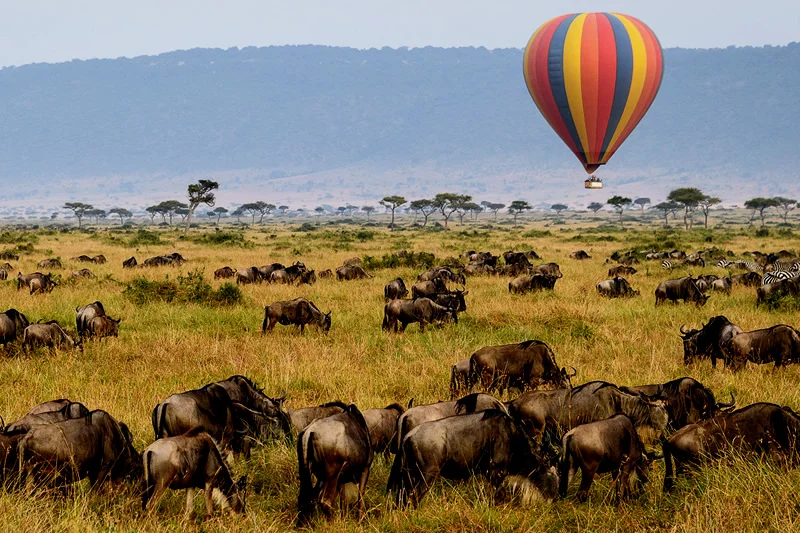
The mountain's diverse environments are home to a surprising amount of wildlife. As you trek through the different zones, keep an eye out for colobus monkeys swinging through the montane forests, or perhaps even glimpse the elusive leopard in the higher alpine regions. Birdwatchers will be delighted by the variety of species, from the colorful turacos to the majestic eagles soaring overhead. It's a reminder that this giant is more than just rock and ice; it's a vital habitat.
Beyond the natural wonders, the Kilimanjaro region is rich with the traditions of the Chagga people. They've lived on the fertile lower slopes for centuries, developing a unique culture deeply connected to the mountain. Learning about their history, their farming practices (especially coffee cultivation!), and their vibrant community life adds a profound layer to any visit. Many local guides are from these communities, and their insights offer a personal connection to the land and its heritage.
Here are a few things to consider when thinking about the local impact:
- Supporting Local Communities: Choosing tour operators who employ local guides and porters, and who invest in community projects, makes a real difference. It helps ensure that the benefits of tourism are shared.
- Respecting Traditions: Be mindful of local customs and dress modestly when visiting villages or interacting with communities. A little respect goes a long way.
- Understanding Conservation Efforts: Kilimanjaro National Park is a UNESCO World Heritage site, and ongoing efforts are focused on protecting its unique biodiversity and fragile ecosystems. Your visit contributes to these conservation goals.
The mountain's influence extends far beyond its physical presence. It shapes the lives, livelihoods, and cultural identity of the people living around it, creating a beautiful synergy between humanity and nature.
The Call of Kilimanjaro
So, there you have it – Kilimanjaro, the 'Roof of Africa.' It’s more than just a big mountain; it’s a journey through different worlds, from lush forests to icy heights, all on one climb. Reaching Uhuru Peak, the very top, is a dream for many, and honestly, it’s totally doable for most folks who are reasonably fit and prepared. With six main paths to choose from, like the popular Marangu or Machame routes, and no need for ropes or fancy gear, it’s an adventure that feels within reach. Just remember to pick the right season, usually January to March or June to October, and give your body time to get used to the altitude. It’s a challenge, for sure, but the views and the feeling of accomplishment? Absolutely unforgettable.
Frequently Asked Questions
What exactly is Mount Kilimanjaro?
Mount Kilimanjaro is a giant, dormant volcano located in Tanzania, Africa. It's super famous because it's the highest mountain in Africa and also the tallest free-standing mountain in the whole world! Imagine a massive volcano that just stands there all by itself. It's made up of three different volcanic cones: Kibo, Mawenzi, and Shira. The highest point, Uhuru Peak, is on Kibo.
Can anyone climb Kilimanjaro?
While it's not a walk in the park, Kilimanjaro is totally achievable for most people who are fit and healthy! You don't need special climbing gear like ropes or ice axes. The main challenge is the altitude, which can make you feel sick if you don't let your body get used to it slowly. So, with good preparation and a positive attitude, many travelers can reach the top.
What are the best times to try and climb it?
The weather on Kilimanjaro can be a bit tricky, but there are definitely better times to go. Most people aim for the dry seasons, which are usually from January to March and then again from June to October. These months tend to have clearer skies and less rain, making the climb more enjoyable and safer.
What kind of routes are there to the top?
There are several different paths, or routes, you can take to climb Kilimanjaro. Some of the most popular ones include the Marangu, Machame, and Lemosho routes. Each route has its own unique scenery and challenges, and they vary in how long they take and how difficult they are. Some are known for better acclimatization, which helps prevent altitude sickness.
What's this 'altitude sickness' I keep hearing about?
Altitude sickness, or Acute Mountain Sickness (AMS), is what happens when you go up too high too fast. Your body isn't used to the thinner air. Symptoms can include headaches, feeling sick to your stomach, and dizziness. The best way to deal with it is to climb slowly, drink plenty of water, and let your body adjust. Guides are experts at watching for signs and helping you stay safe.
What should I pack for the climb?
Packing smart is super important! You'll need layers of warm clothing because the temperature changes a lot as you go up. Think thermal base layers, fleece jackets, and a waterproof outer shell. Good hiking boots are a must, along with a warm hat, gloves, and sunglasses. Don't forget sunscreen, a headlamp, and a reusable water bottle.
What's it like at the very top, Uhuru Peak?
Reaching Uhuru Peak, the summit of Kilimanjaro, is an incredible feeling! It's the highest point in Africa, and standing there, you're above the clouds with amazing views. You'll see the vast crater and, if you're lucky, the glaciers that still remain. It's a moment of pure triumph and unforgettable beauty.
Is the mountain protected?
Yes, it is! Mount Kilimanjaro and its surrounding forests are protected as a national park, which is also a UNESCO World Heritage site. This helps keep the unique plants and animals safe and preserves the mountain's natural beauty for everyone to enjoy. There are rules in place to make sure visitors don't harm the environment.
Weather & Climate
Frequently Asked Questions
Explore MOUNTAIN KILIMANJARO on Map
Get a better view of the location and surroundings