KILIMANJARO NATIONAL PARK
Thinking about a trip to Tanzania? You've probably heard of Mount Kilimanjaro, Africa's highest peak. Well, the area around it is Kilimanjaro National Park, and it's way more than just a mountain. Imagine climbing through different climate zones, from lush forests to icy summits. It’s a pretty amazing place that draws people from all over the world for a serious adventure. Let's dive into what makes this park so special.
Key Takeaways
- Kilimanjaro National Park in Tanzania is home to Africa's tallest mountain, Mount Kilimanjaro.
- The park features a huge variety of environments, from rainforests at the base to arctic conditions at the summit.
- Several hiking routes are available, catering to different fitness levels and offering unique views.
- Besides climbing, the park and its surroundings offer chances to see wildlife and experience local culture.
- Planning is important, especially regarding the best time to visit and what gear to bring for the climb.
About Kilimanjaro National Park

Welcome to Kilimanjaro National Park, a place that truly needs no introduction! Nestled in Tanzania, this park is home to the iconic Mount Kilimanjaro, which proudly stands as the highest peak in Africa. It's a UNESCO World Heritage Site, and honestly, you can see why. The park isn't just about the mountain, though; it's a whole world of diverse landscapes and fascinating creatures.
Imagine stepping into a place where the ground shifts from lush rainforests to alpine deserts, and finally, to a snow-capped summit. That's the magic of Kilimanjaro National Park Tanzania. It covers a massive area, protecting the mountain above the treeline and the surrounding forests. This incredible environment supports a surprising amount of wildlife, making it one of the most unique Tanzania safari parks.
When people think of Kilimanjaro National Park, climbing the mountain usually comes to mind first. And it's a fantastic adventure! But there are also other things to do in Kilimanjaro National Park, like exploring the lower slopes or spotting some of the local wildlife. You might see Cape buffaloes in the forests, or perhaps even elephants wandering through. Keep an eye out for smaller critters too; the park is teeming with life.
The park is managed by the Tanzania National Parks Authority (TANAPA) and was established in 1973. It's a place that draws visitors from all over the globe, not just for the challenge of reaching the summit of Tanzania's highest peak, but also for the sheer natural beauty and the chance to experience a truly wild environment.
So, whether you're planning to conquer the mountain or just want to soak in the incredible scenery and spot some wildlife in Kilimanjaro National Park, you're in for an unforgettable experience. It’s a destination that really captures the spirit of adventure and the wild heart of Africa.
Why Visit Kilimanjaro National Park?

So, you're thinking about a trip to Kilimanjaro National Park? That's awesome! This place is way more than just a mountain; it's a whole world waiting to be explored. Whether you're dreaming of standing on the roof of Africa or just want to soak in some incredible nature, this park has something special for everyone.
The Majestic Mount Kilimanjaro
Let's be real, the star of the show is Mount Kilimanjaro itself. This dormant volcano isn't just Africa's highest peak; it's the tallest free-standing mountain in the world, rising dramatically from the surrounding plains. Imagine seeing it for the first time, its snow-capped summit often peeking through the clouds – it's a sight that truly takes your breath away. Climbing Kilimanjaro is a journey that many people dream of. It's not just about the physical challenge; it's about the incredible experience of ascending through different climate zones, from lush rainforests to alpine deserts, and finally, to the icy summit. Even if climbing isn't on your agenda, just witnessing its grandeur from below is an unforgettable experience.
Diverse Ecosystems and Wildlife
What's really cool about Kilimanjaro National Park is how much life it supports. The mountain's slopes are home to a surprising variety of ecosystems, each with its own unique set of plants and animals. As you climb, you'll pass through vibrant rainforests, then move into heath and moorland, followed by an alpine desert, and finally, the arctic zone at the summit. It's like traveling through different continents in just a few days!
This variety means there's a lot of wildlife to see, too. Keep an eye out for:
- Colobus and Blue Monkeys: Often spotted in the montane forests, these primates are a joy to watch.
- Cape Buffaloes: You might see these large animals grazing in the grasslands and moorlands.
- Elephants: While less common, they can sometimes be found in the lower forest areas.
- Diverse Birdlife: Birdwatchers will be thrilled with the over 150 species recorded, including forest birds, raptors, and migratory visitors.
The park is a UNESCO World Heritage Site for a reason. It's a natural wonder that showcases incredible biodiversity and geological history, all centered around one of the planet's most iconic mountains.
Planning Your Kilimanjaro Adventure
So, you're thinking about tackling Kilimanjaro? That's awesome! Planning a Kilimanjaro trip can feel a bit overwhelming at first, but breaking it down makes it totally manageable. It’s all about picking the right time, the best way up, and packing smart.
Best Time to Visit
When you decide to go really matters. You want to avoid the rainy seasons if possible. The best windows for climbing are usually January to March and then again from June through October. These are the drier months, which means clearer skies and generally more pleasant trekking conditions. Think sunshine and good visibility for those epic views!
Choosing Your Climbing Route
This is where the adventure really starts to take shape. There are several hiking routes Mount Kilimanjaro offers, and each one has its own vibe and difficulty level. Some popular ones include:
- Machame Route: Often called the 'Whiskey Route' because it's a bit more challenging but offers fantastic scenery and good acclimatization. It typically takes 6-7 days.
- Marangu Route: Known as the 'Coca-Cola Route,' it's one of the oldest and most straightforward, often completed in 5 days. It's the only route that offers hut accommodation instead of camping.
- Lemosho Route: This is a longer, more scenic route that starts in the west and offers a great chance to see wildlife in the early stages. It usually takes 7-8 days.
- Rongai Route: Coming from the north, this route is drier and less crowded, making it a good option during the wetter months.
Each route has different distances and daily hiking times, so it's worth looking into which one fits your fitness and what you want to see along the way. Remember, longer routes generally offer better acclimatization, which is key to reaching the summit.
What to Pack for Your Climb
Packing is super important, and you don't want to be caught out. Layers are your best friend up there! You'll experience everything from tropical heat at the base to freezing temperatures at the summit.
Here’s a quick rundown of essentials:
- Clothing: Think moisture-wicking base layers, warm fleece mid-layers, and a waterproof and windproof outer shell. Don't forget warm gloves, a beanie, and a sun hat.
- Footwear: Sturdy, broken-in hiking boots are a must. Bring several pairs of warm socks too.
- Gear: A good quality sleeping bag (rated for cold temperatures), a headlamp with extra batteries, sunglasses, and sunscreen are vital.
- Personal Items: A basic first-aid kit, any personal medications, lip balm with SPF, and a reusable water bottle (or two).
It’s easy to overpack, but remember your porters will be carrying most of your gear. Keep your daypack light with just the essentials you’ll need during the day: water, snacks, camera, rain gear, and warm layers.
Choosing the right operator is also a big part of planning. They handle logistics like guides, porters, food, and park fees, so pick a reputable one that prioritizes safety and has experienced staff. Happy planning!
Beyond the Summit: Other Attractions
While reaching the top of Kilimanjaro is an incredible achievement, the adventure doesn't have to end there. The park and its surroundings offer a wealth of experiences for those looking to explore further or who prefer activities other than summiting.
Marangu Gate and Village
Marangu Gate is the main entry point for two of Kilimanjaro's most popular climbing routes, the Marangu and Machame routes. It's a bustling hub where climbers begin and end their journeys. Just outside the park gates, Marangu village offers a glimpse into the local Chagga culture. You can visit traditional homesteads, learn about their farming practices, and perhaps even sample some local coffee or banana beer. It’s a great place to unwind after a climb or to get a feel for the local life before you head up the mountain.
Wildlife Safaris in Nearby Areas
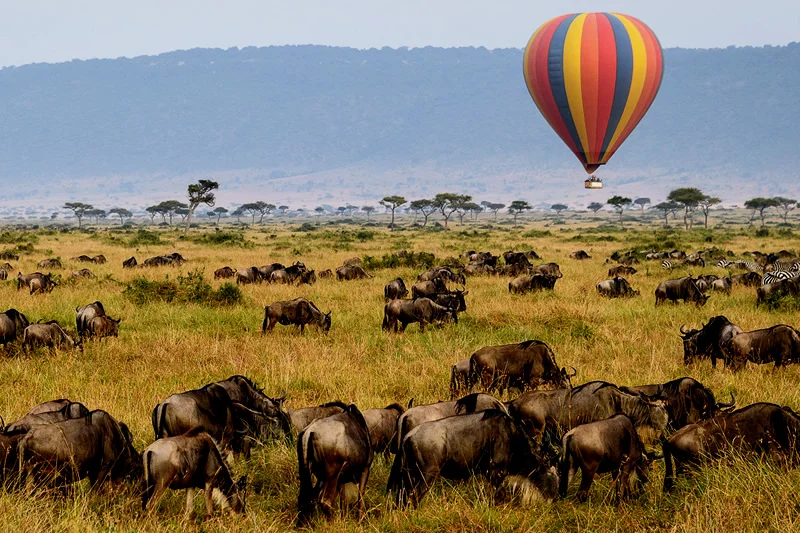
Kilimanjaro National Park itself is not primarily a safari destination, but its lower slopes and the surrounding areas are rich with wildlife. For a more traditional safari experience, consider venturing to nearby national parks and game reserves. These areas boast a fantastic array of animals, from the iconic 'Big Five' to countless bird species.
Here are a few options for safaris near Kilimanjaro:
- Amboseli National Park (Kenya): Famous for its large elephant herds and stunning views of Kilimanjaro across the border.
- Tarangire National Park: Known for its massive baobab trees and large concentrations of elephants, especially during the dry season.
- Lake Manyara National Park: Offers diverse landscapes, including groundwater forests and alkaline lakes, and is famous for its tree-climbing lions.
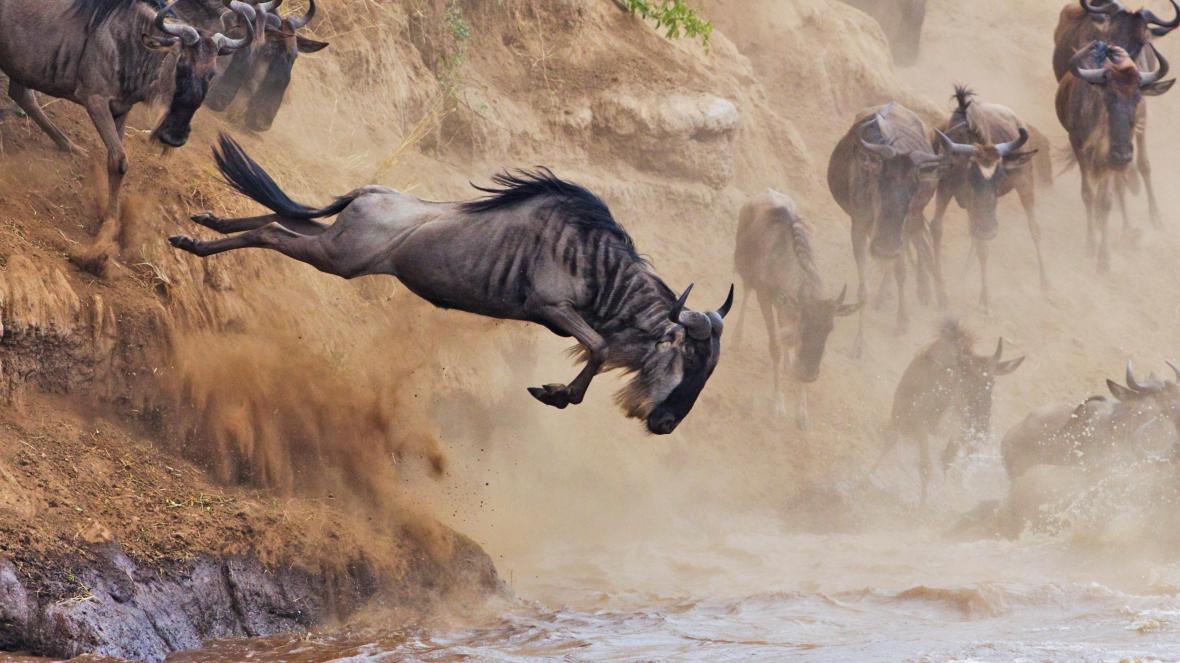
- Serengeti National Park: While a bit further, it's world-renowned for the Great Migration and its vast plains teeming with wildlife.
These areas provide a wonderful contrast to the mountain environment, showcasing the incredible biodiversity of Tanzania and Kenya. Remember that safari experiences often involve early mornings and late evenings to catch animals when they are most active. It’s a chance to see creatures like lions, leopards, elephants, rhinos, and buffalos in their natural habitat, a truly unforgettable sight.
Responsible Tourism in Kilimanjaro National Park
Visiting Kilimanjaro National Park is an incredible experience, and it's important that we all do our part to keep it that way for future generations. Think of it like visiting a friend's beautiful home – you want to leave it just as lovely, if not better, than you found it.
One of the biggest things is respecting the environment. This means sticking to the marked trails when you're hiking, whether you're climbing the mountain or just exploring the lower forests. This helps prevent erosion and protects the delicate plant life that makes Kilimanjaro so special. You'll see a lot of different plants and maybe even some of the park's 140 mammal species, like monkeys or antelopes, so it's good to give them their space too. Leave no trace is the golden rule here – pack out everything you pack in, including all your trash.
When you're interacting with the local culture, like in the villages near Marangu, remember to be respectful. Ask permission before taking photos of people, and be mindful of local customs. Supporting local communities through purchasing souvenirs or using local guides is a great way to contribute positively.
Here are a few key things to keep in mind:
- Pack it in, pack it out: Absolutely no littering. This includes organic waste like fruit peels.
- Stay on trails: Protect the fragile vegetation and prevent erosion.
- Respect wildlife: Observe animals from a distance and never feed them.
- Support local communities: Buy local crafts and use services from local providers.
- Conserve water: Water is a precious resource, especially at higher altitudes.
The park has a management plan in place, and the rangers work hard to protect this natural wonder. By following these guidelines, you're directly helping them in their efforts to maintain the park's beauty and ecological balance. It’s a team effort, really, to keep Kilimanjaro magnificent.
Choosing a reputable tour operator that prioritizes sustainable practices also makes a big difference. They'll often have better waste management systems and train their guides on responsible tourism principles. It’s all about making conscious choices that benefit both the environment and the people who call this region home.
A Dream Worth Chasing
So, there you have it – Kilimanjaro National Park. It’s more than just a park; it’s a whole world waiting to be explored, from the misty forests at its base to the icy crown at the very top. Thinking about climbing it? It’s a big dream, for sure, but seeing those photos and hearing the stories, it really makes you feel like it’s something you could actually do. Even if you’re not aiming for the summit, just being in the shadow of Africa’s tallest mountain, seeing the different landscapes change as you go up, and maybe spotting some of the cool animals that live there… it sounds like an adventure that sticks with you long after you’ve left. It’s a place that calls to you, a real natural wonder that’s just waiting for you to come and see it for yourself.
Frequently Asked Questions
What makes Mount Kilimanjaro so special?
Mount Kilimanjaro is a dream for many because it's Africa's tallest mountain! Imagine a giant volcano, with snow sparkling at the very top, while lush green forests cover its lower slopes. It's like stepping into different worlds as you climb, offering amazing views and a real sense of adventure.
When is the best time to plan a trip to Kilimanjaro National Park?
To get the clearest skies and the best chance for good weather, aim for the dry seasons. These are usually from late June to October and again from late December to early March. This makes hiking and enjoying the views much more pleasant, though remember it can still get chilly, especially at higher spots!
What are the different ways to climb Mount Kilimanjaro?
There are several paths, or 'routes,' to the top, each with its own challenges and sights. Some popular ones include the Marangu route, often called the 'Coca-Cola route' because it's a bit easier and has huts, and the Machame route, known for its stunning scenery. Choosing the right one depends on how much time you have and how tough you want the adventure to be.
Besides climbing, what else can you do in Kilimanjaro National Park?
While climbing the big mountain is the main draw, the park offers more! You can explore the charming Marangu Gate area and the local village to get a feel for the culture. Plus, the surrounding areas are great for safaris where you might spot amazing African wildlife, adding another layer to your adventure.
What kind of animals might I see in the park?
Even though it's famous for its mountain, the park is alive with creatures! In the forests, you might see monkeys and sometimes even leopards. Higher up, you could spot animals like the Kilimanjaro tree hyrax or various types of duikers. Keep an eye out, as you might even see Cape buffaloes or elephants in certain areas!
How difficult is it to climb Kilimanjaro?
Climbing Kilimanjaro is a serious trek that requires good physical shape, but you don't need to be a professional athlete. The biggest challenge isn't the steepness of the paths, but rather adjusting to the high altitude. Taking it slow and steady, and listening to your guides, is key to reaching the summit safely.
Weather & Climate
Frequently Asked Questions
Explore KILIMANJARO NATIONAL PARK on Map
Get a better view of the location and surroundings